We manually reverse-engineer blurry graphics, AI artifacts, and physical prints into mathematically perfect vectors. Convert fragile pixel data into a robust, infinitely scalable visual architecture ready for deployment.
A blurry, pixelated, or un-editable logo is a broken asset. Whether it is a low-resolution graphic holding your website back, an AI-generated concept filled with artifacts, or an old physical print that needs to be digitized, we can rebuild it.
We approach vectorization as a reverse-engineering process. We don't rely on messy auto-tracing software. Instead, we manually rebuild your visual assets in Adobe Illustrator, path by path and node by node, converting fragile pixel data into a robust, mathematically perfect vector architecture that scales infinitely without quality loss.
✓
Manual Reconstruction: Node-by-node redraws. Zero auto-tracing.
✓
Infinite Scalability: Perfect mathematical vectors for any scale.
✓
Optimized Delivery: Full source code access (AI, EPS, SVG, PDF).
✓
Asset Recovery: Rebuild sketches, photos & AI into clean vectors.
Engineered For Every Use Case
Different source materials require different technical approaches. Here is how we process various data inputs into high-performance vectors:
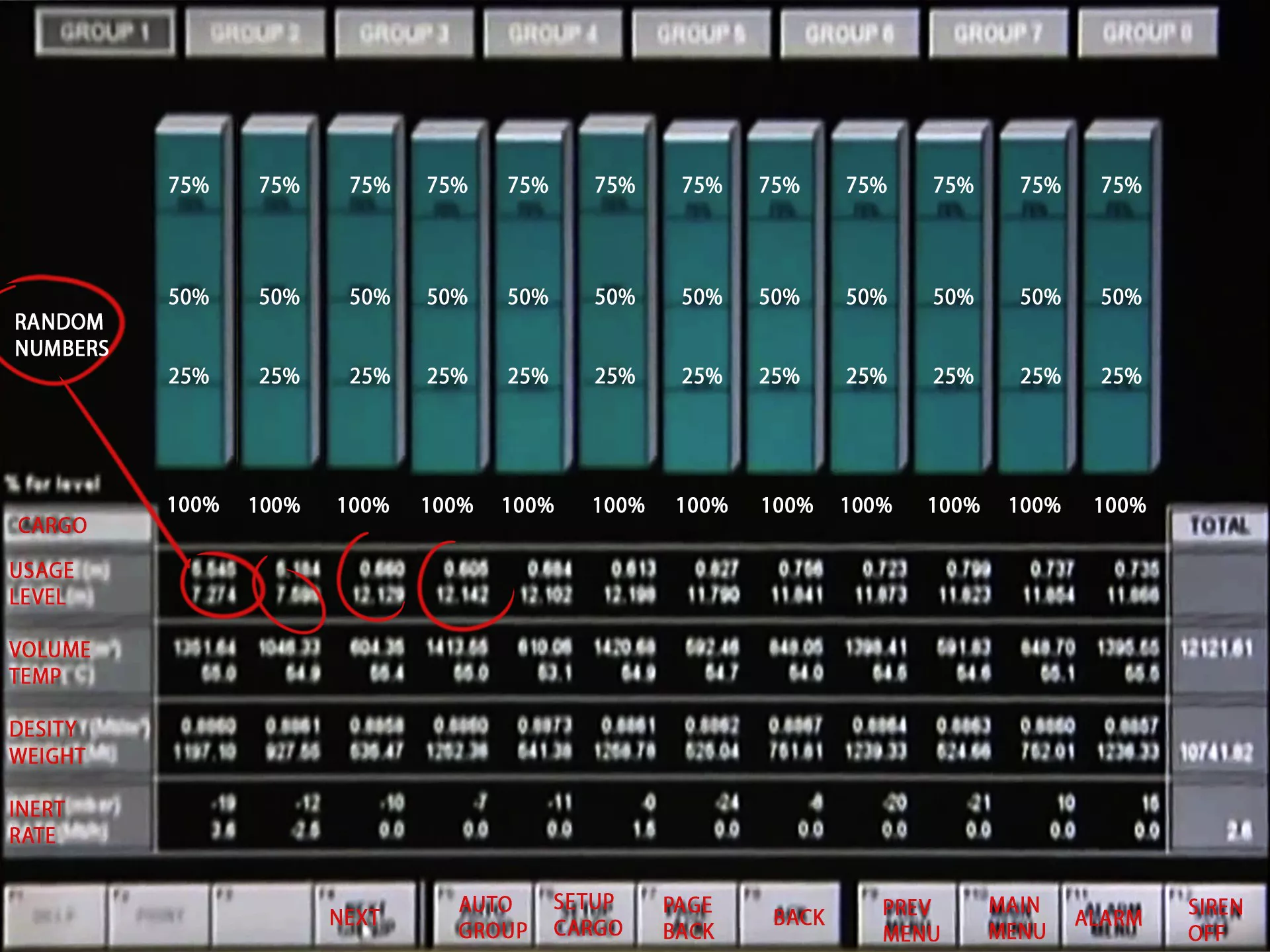
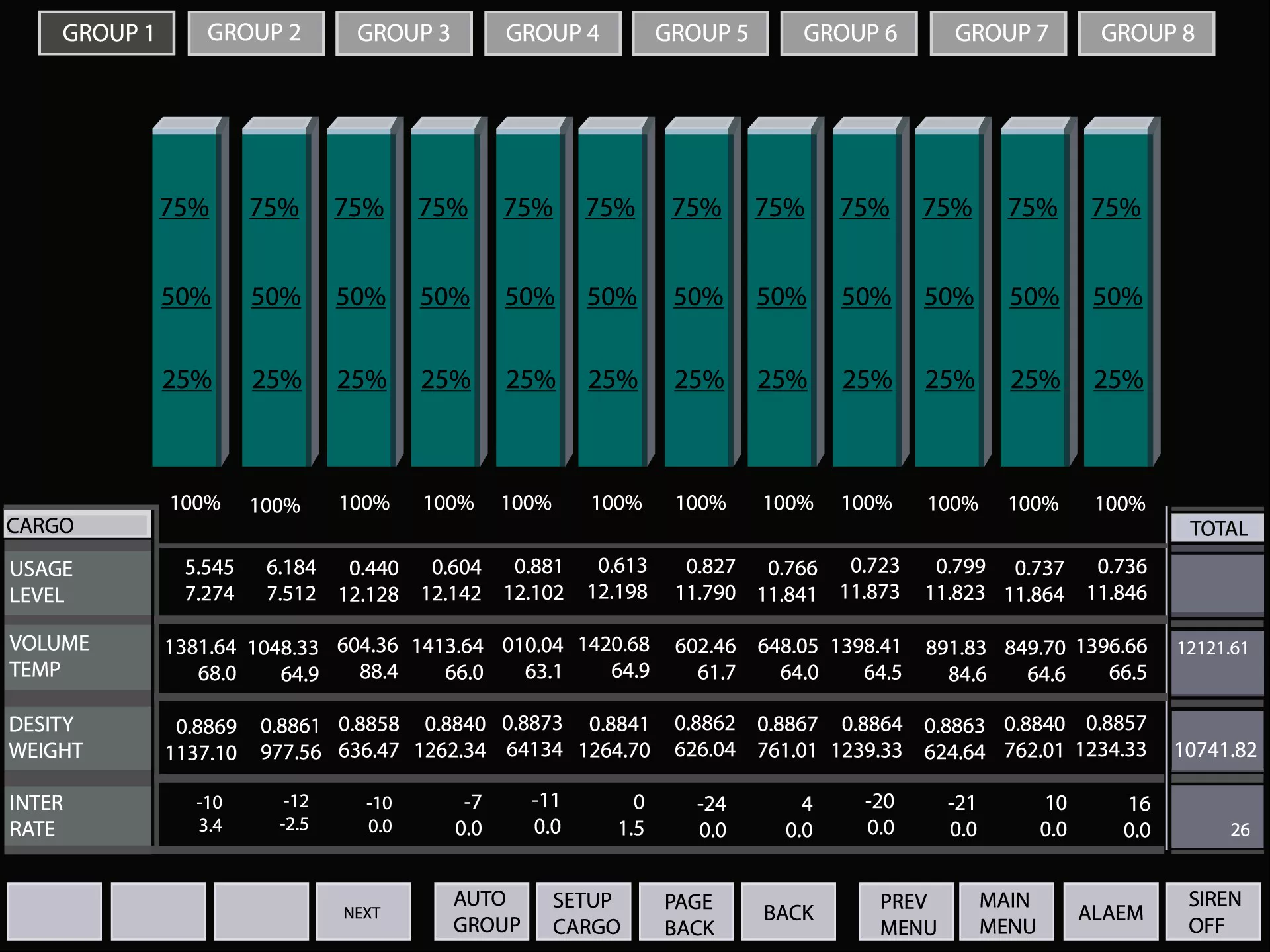
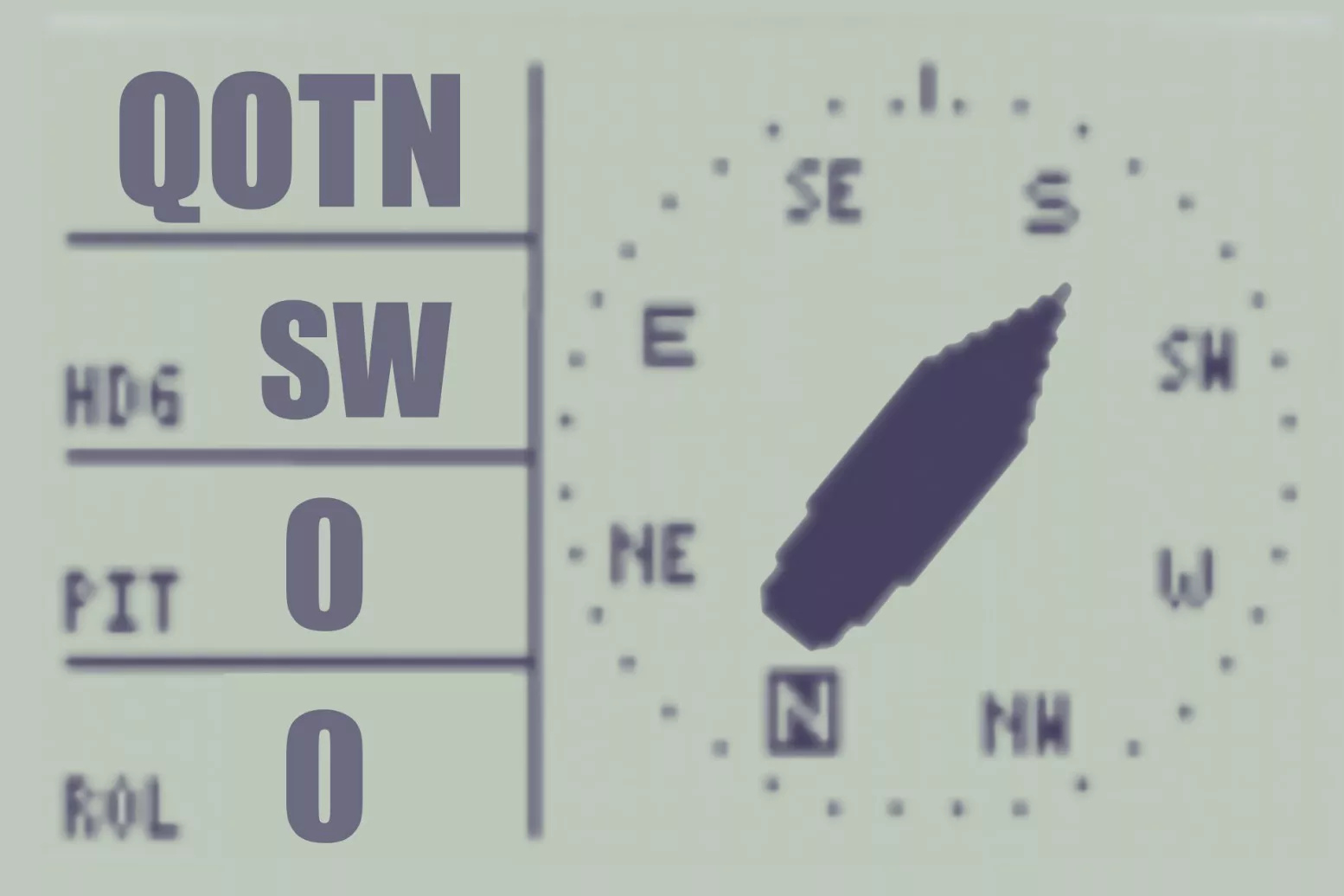
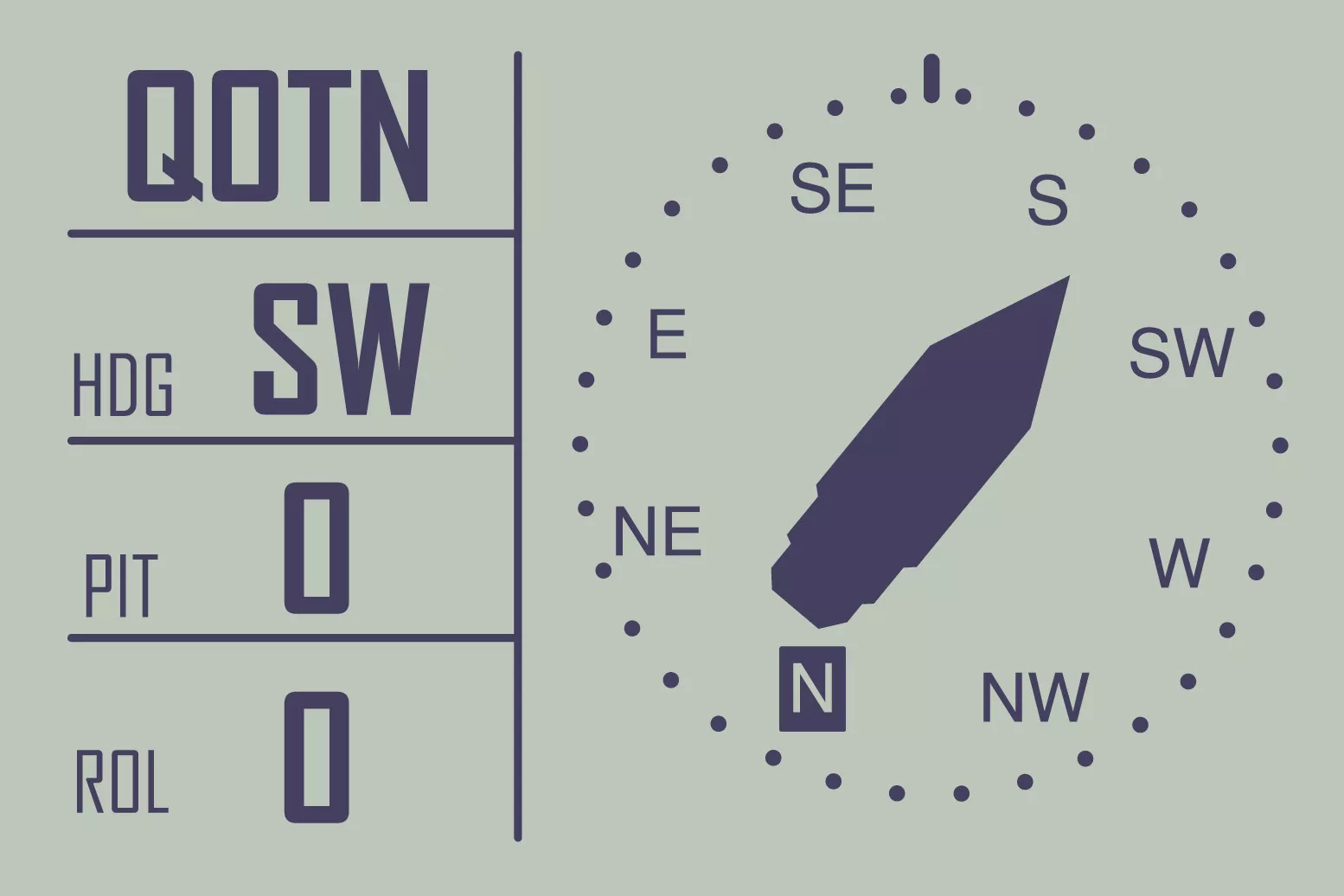
1. Resolution Upscaling (Pixel to Vector)
BEFOREAFTER
BEFOREAFTER
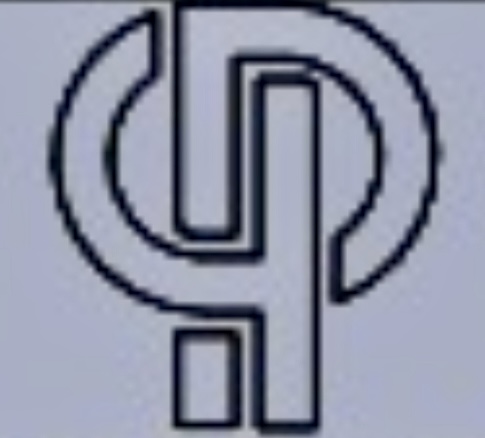
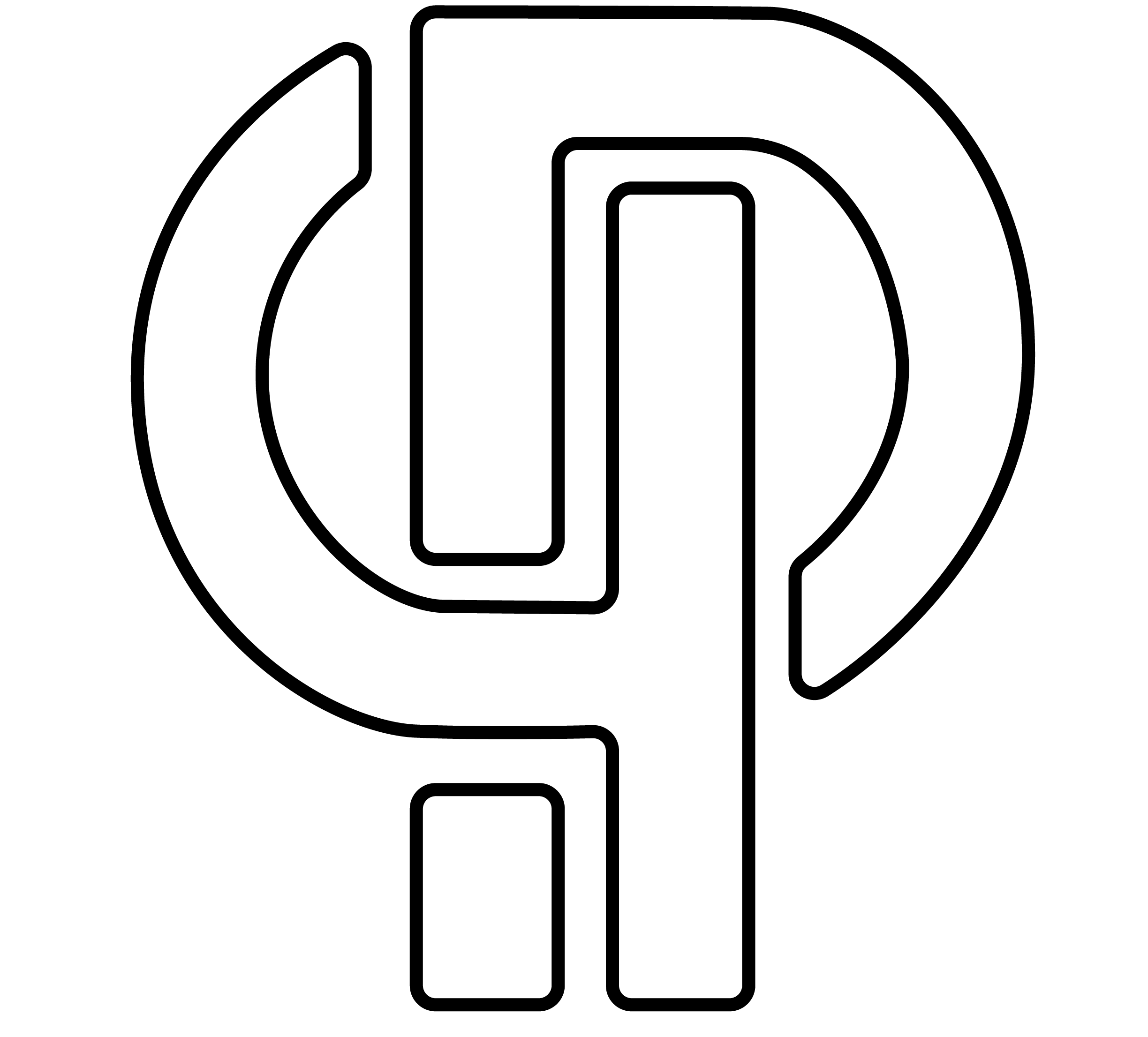
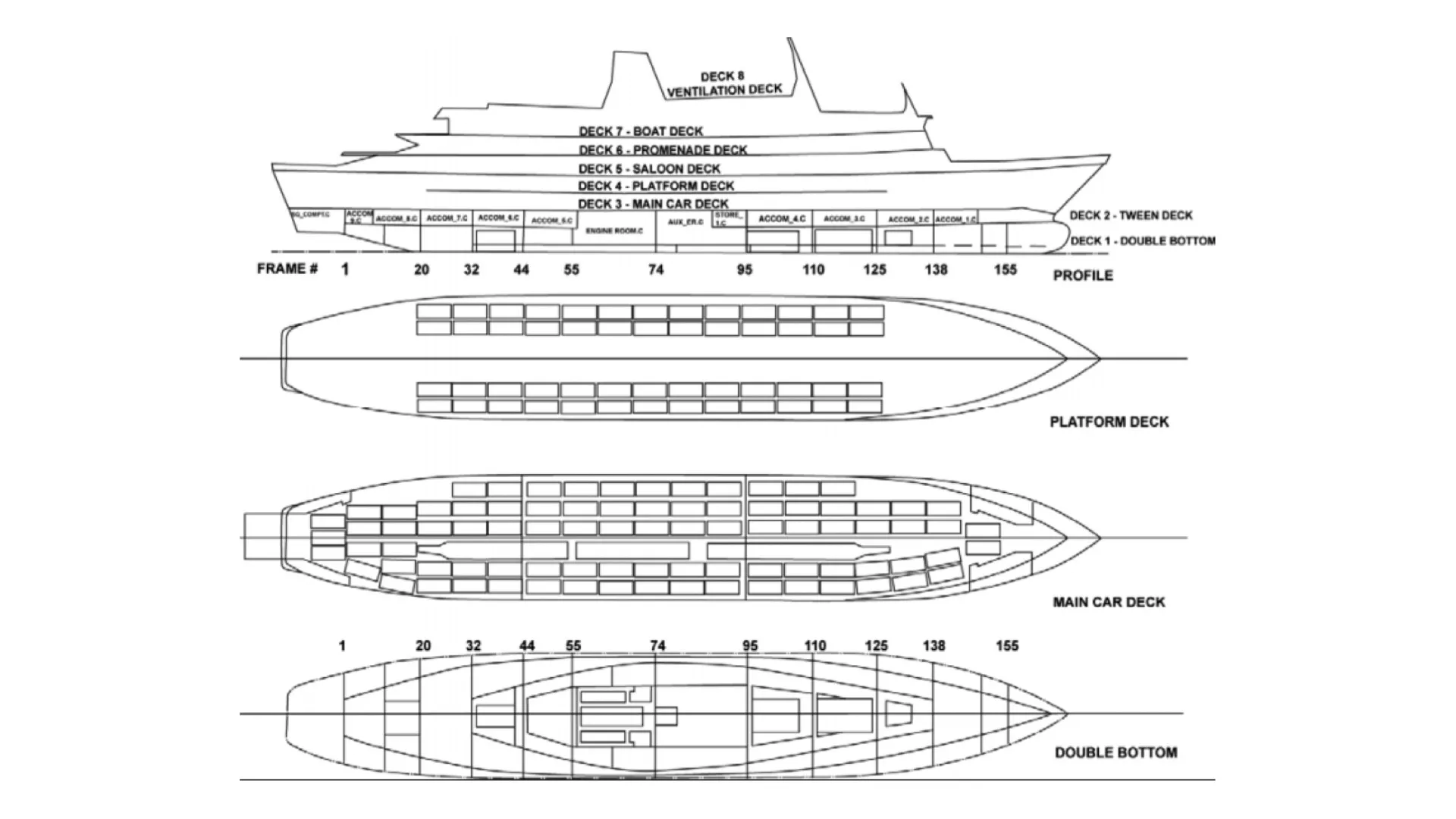
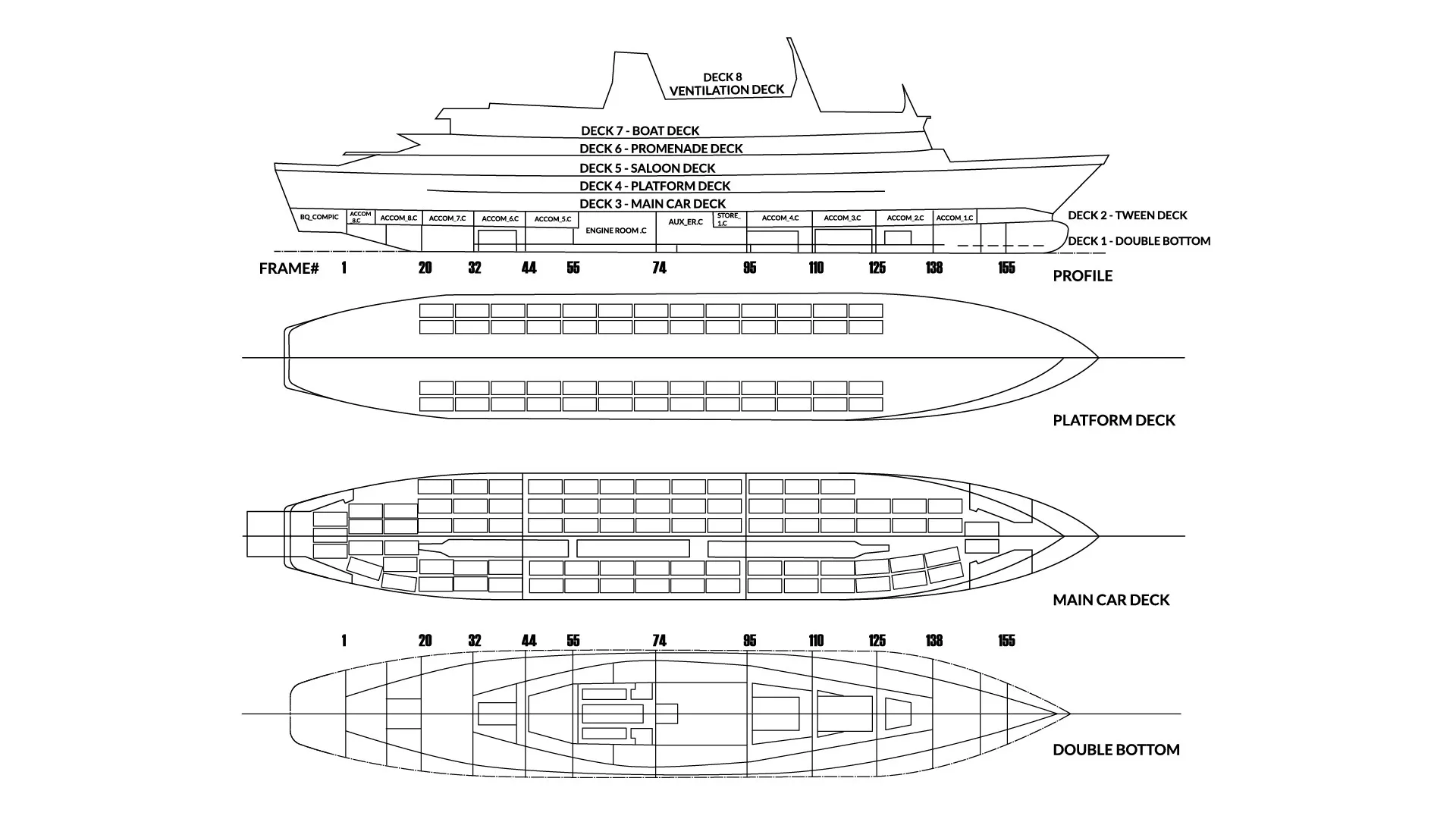
We take heavily degraded, pixelated, or compressed raster files (JPGs, PNGs) and rebuild them with perfect geometric precision. Ideal for legacy logos that need a modern resolution upgrade.
2. Physical Asset Extraction (Print to Digital)
BEFOREAFTER
Lost the original files? We can extract and reconstruct logos directly from photographs of business cards, physical merchandise, or vintage prints, returning them to a pure digital state.
3. Concept Digitization (Sketch to Screen)
BEFOREAFTER
Bring your raw ideas online. We take your hand-drawn pencil sketches and blueprint them into clean, structured vector line-work ready for animation, coloring, or branding.
4. Complex Reality Simplification (Photo to Line-Art)
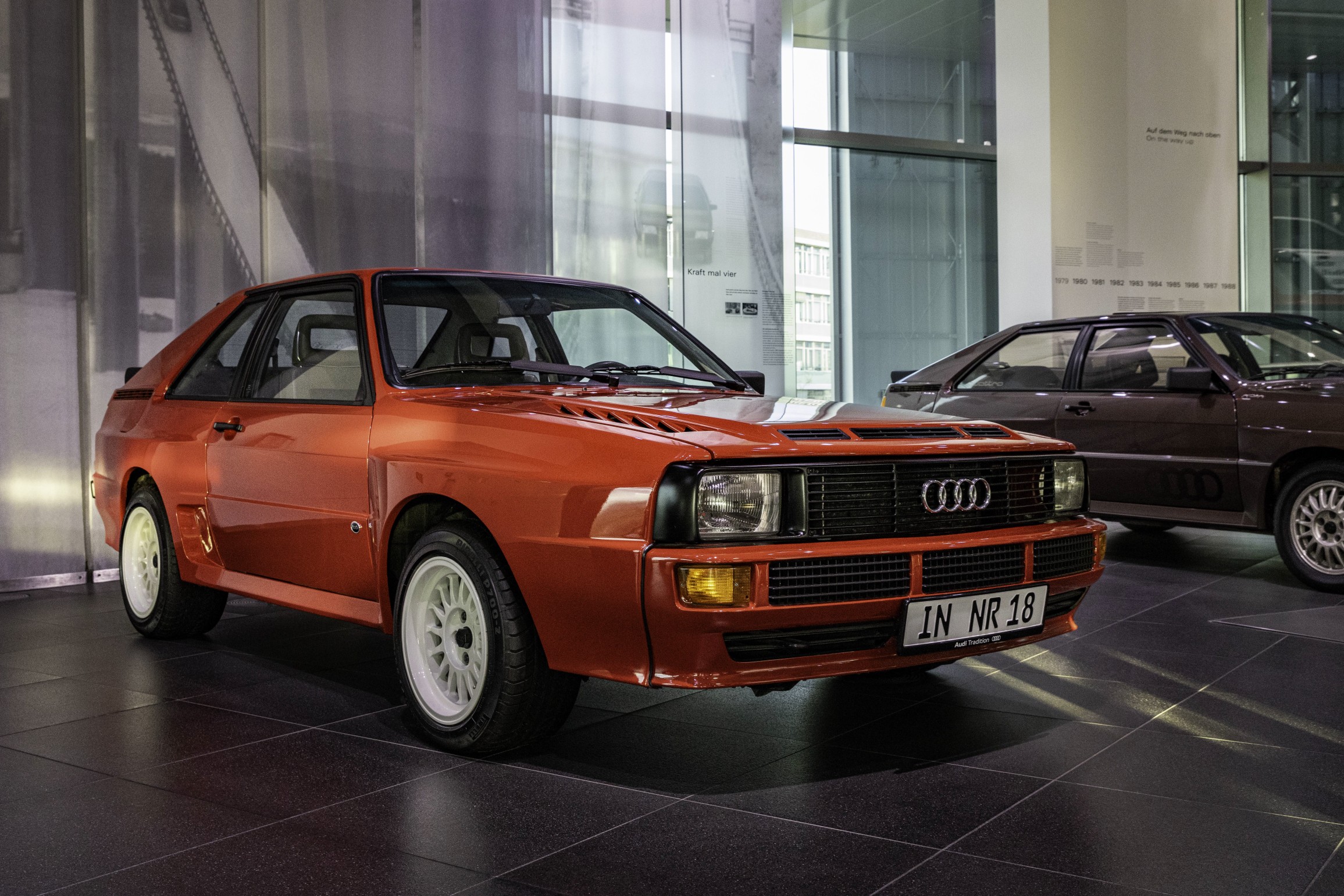
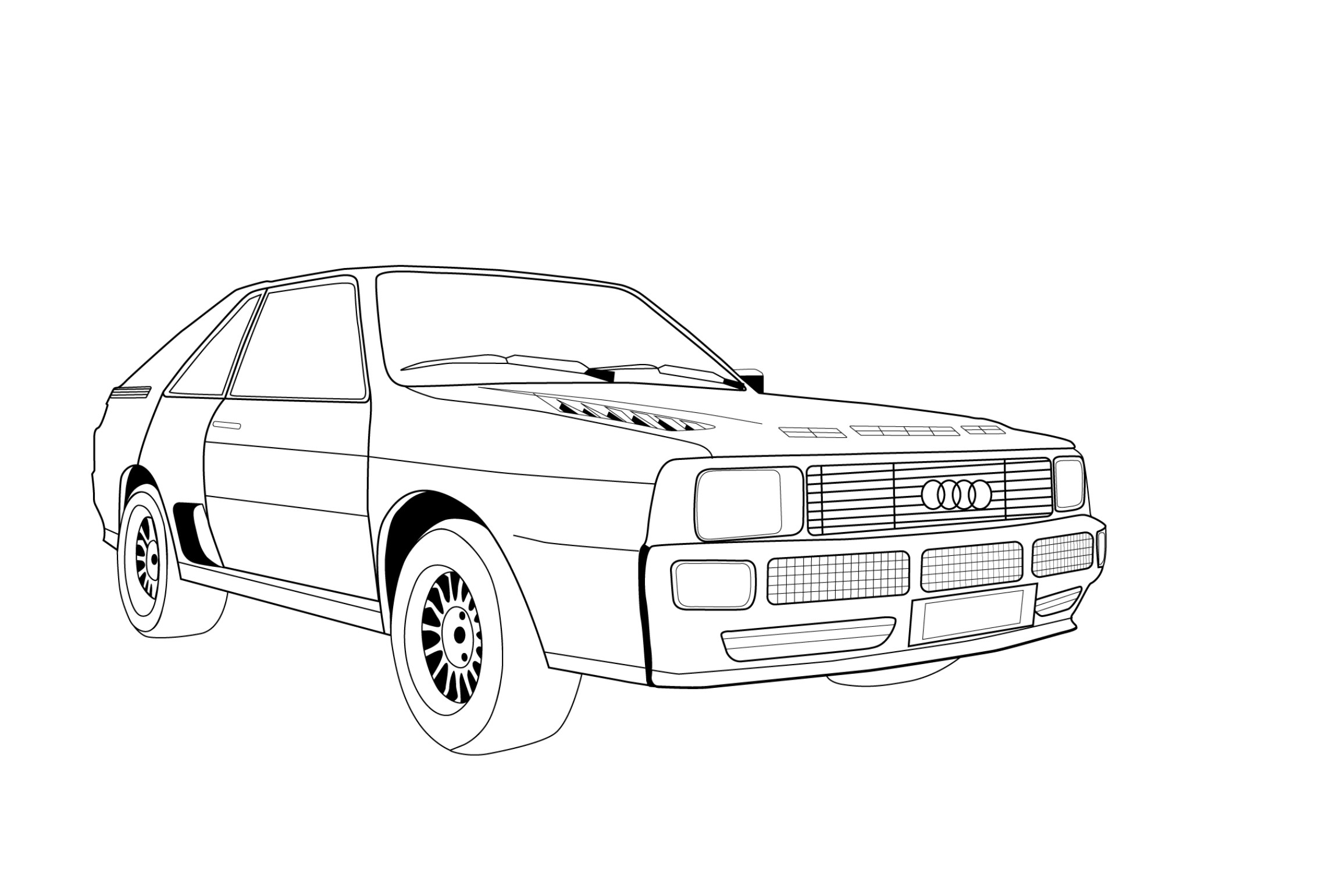
BEFOREAFTER
Real-world photos and 3D objects cannot be perfectly vector-traced without massive file bloat. Instead, we architect simplified, 2D vector illustrations based on your photographs, capturing the essential geometry of the object.
5. AI Artifact Removal & Optimization
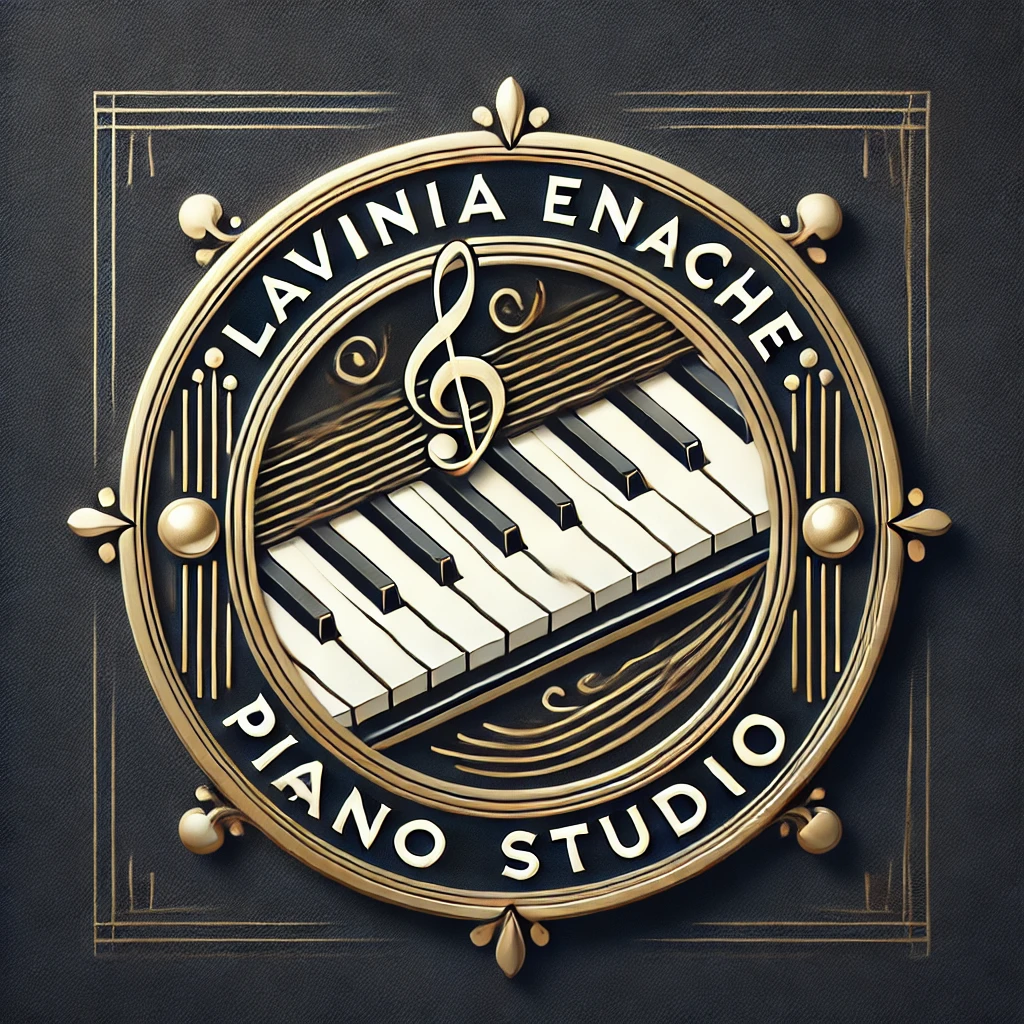
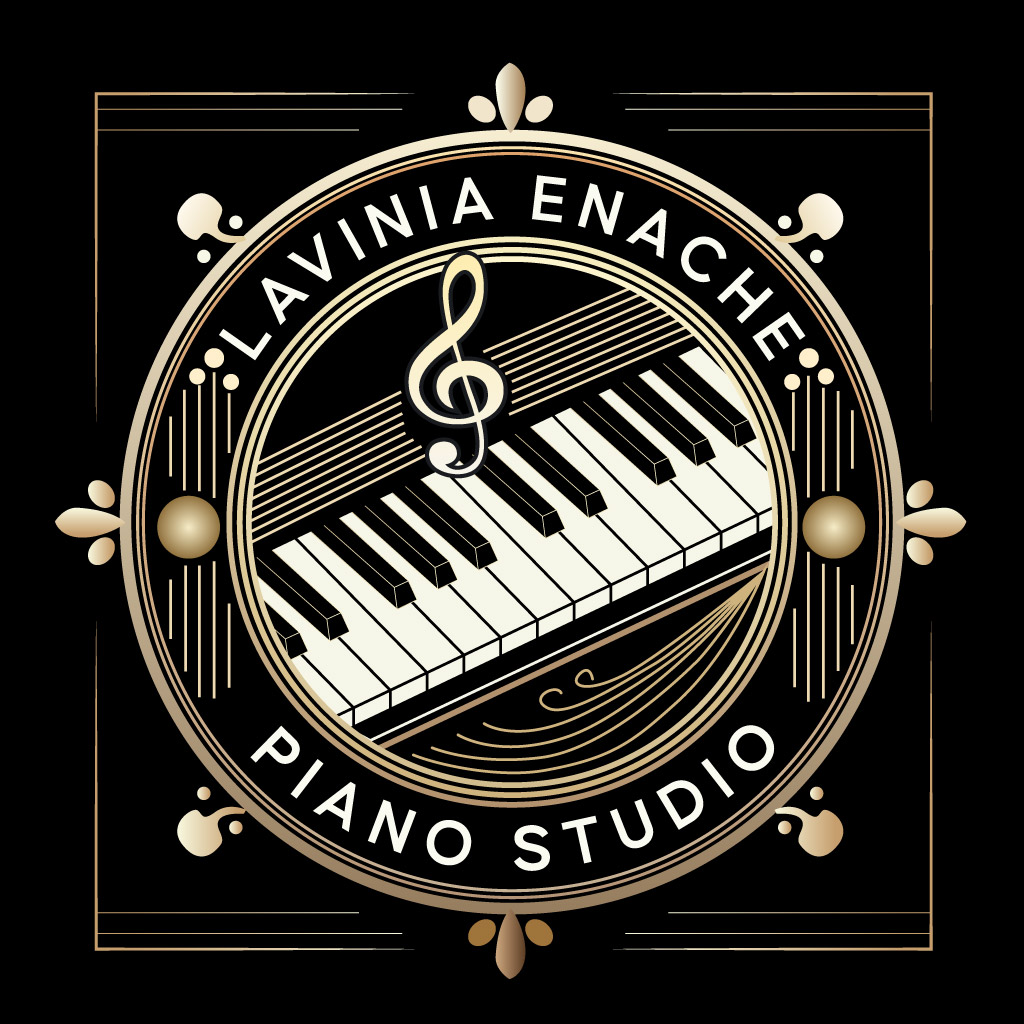
BEFOREAFTER
AI image generators are great for brainstorming, but they often produce unusable text, asymmetrical shapes, and messy details. We take your raw AI concepts, clean up the logic, correct the typography, and rebuild the asset into a usable, commercial-grade file.
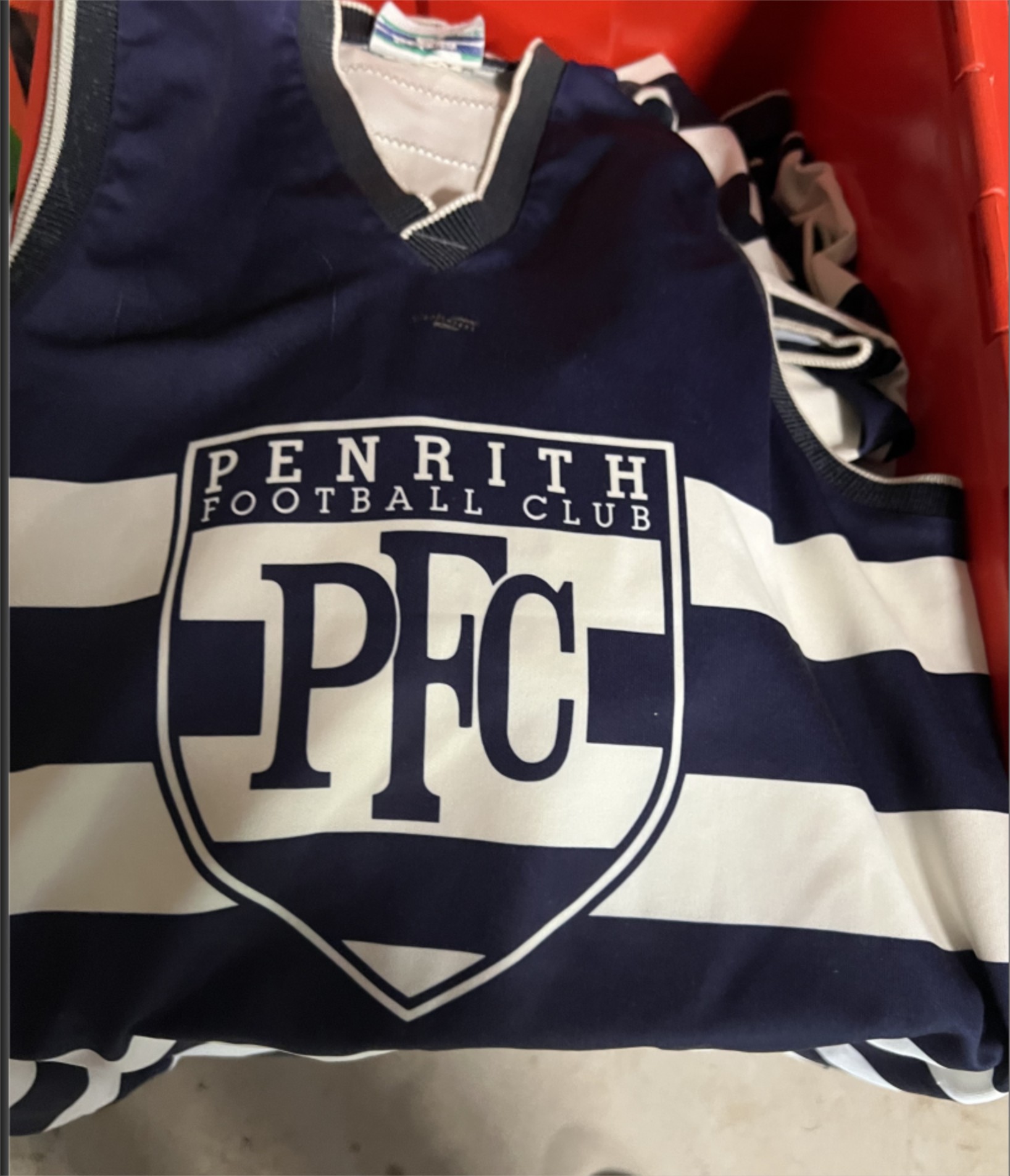
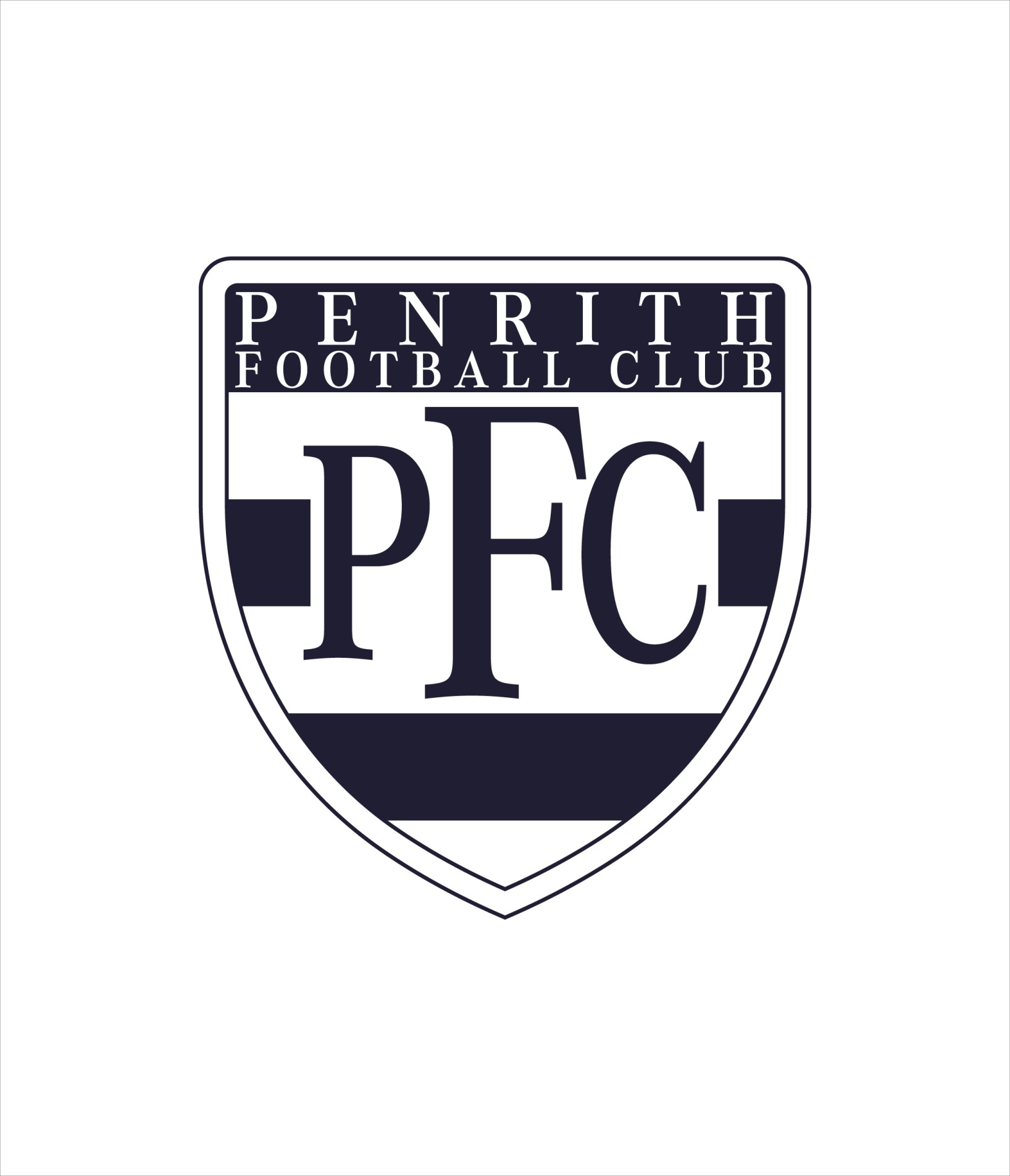
6. Apparel & Merchandise Reconstruction
BEFOREAFTER
Need to print a new batch of uniforms but only have a photo of the old ones? We map and rebuild graphics directly from embroidered patches and printed fabrics to create print-ready files for your manufacturers.
What You Get
When the rebuild is complete, you receive a full package of optimized assets ready for immediate deployment:
The Source Code: Fully editable Adobe Illustrator (.AI) file.
Scalable Infrastructure:.EPS, .SVG, and .PDF formats for infinite scaling and print processing.
High-Res Renders: Crystal-clear .PNG (with transparent alpha channels) and .JPG files for immediate social and web use.
Transparent scope
Packages & Pricing
Choose the tier that fits your stage, or pair it with identity & web in our Studio Bundles.
Logo Redraw
100% manual pen-tool vector rebuild of an existing logo or flat badge.
Raster images (like JPG and PNG) are built on a grid of pixels. When you enlarge them, the pixels stretch, resulting in a blurry, degraded image. Vectors are built on mathematical equations. This means a vector logo will look just as razor-sharp on a stadium billboard as it does on a smartphone screen.
Yes and no. Real-life photos (people, landscapes, complex lighting) cannot be translated into true, scalable vectors without losing quality or becoming massively heavy files. Instead of auto-tracing them, we manually simplify the photograph into a clean, stylized 2D vector illustration (like the car example above).
No. Auto-tracing creates messy anchor points, wobbly lines, and inefficient file sizes. We act as technical directors for your graphics, manually plotting every curve and corner to ensure the final architecture is clean, editable, and optimized.
Since we are manually rebuilding the file from the ground up, this is the perfect time to make adjustments. Just leave your updated parameters in the project brief, and we will integrate those changes into the new vector architecture.
Available for new projects
Ready to start your precision vectorization project?
Launching a product, telling a story or building a brand — we design motion that’s compelling and precise.

 Logo Animation
 Logo Design & Brand Identity
 Video Ads Production